The common langurs of Keshabpur in Bangladesh
Keshabpur is a upozilla under Jessore District and situated about 40 Km from Jessore city by the side of the River Kapotakha. Keshabpur was famous for its child the great…

Keshabpur is a upozilla under Jessore District and situated about 40 Km from Jessore city by the side of the River Kapotakha. Keshabpur was famous for its child the great…

Despite the efforts that have been put into communication by the forest sector, the public is generally not aware of how essential forests are in terms of services and products…

Bangladesh is a low-lying deltaic country at the confluence of mighty river systems, namely the Ganges the Brahmaputra and the Meghna. The land is deep, fertile and flat. Most parts…

Among the minor forest products of the country, Bamboo, Cane and Murta are considered as valuable and important forest commodities in Bangladesh. It also plays an important role in the…

Bangladesh has documented climate change as a critical development challenge in the last decade. The history of disaster preparedness experiences increased country’s capacity to carefully address climatic risks. Bangladesh NAPA…

National Tiger Recovery Program (NTRP) aims to present the incremental effort that Bangladesh needs to make in order to accelerate the implementation of its Tiger Action Plan (2009-2017) with a…
Bangladesh is among the most densely-populated countries in the world, already vulnerable to natural disasters and now becoming highly-affected by climate change. Tropical cyclones, storms and surges are major features…
Historically it is known that the founder of the royal dynasty of Hill Tripura, the King Yuja Rupa (Bira Raja) had established its first capital in Rangamati in 590 AD….

The powerful forces that shape the essence of tourism, including the human urge to see and experience the natural world, must continue to be harnessed to support the achievement of…
The coastal area of Bangladesh lies within the tropical zone between 21-23°N and 89-93°E. The mean annual rainfall varies from about 1500 mm in the west to over 3800 mm…
 Foreign Tools to Judge Local Sustainability Posted on: Mar 31st, 2023
 Financial Management: A Pride career opportunities Posted on: Mar 30th, 2023
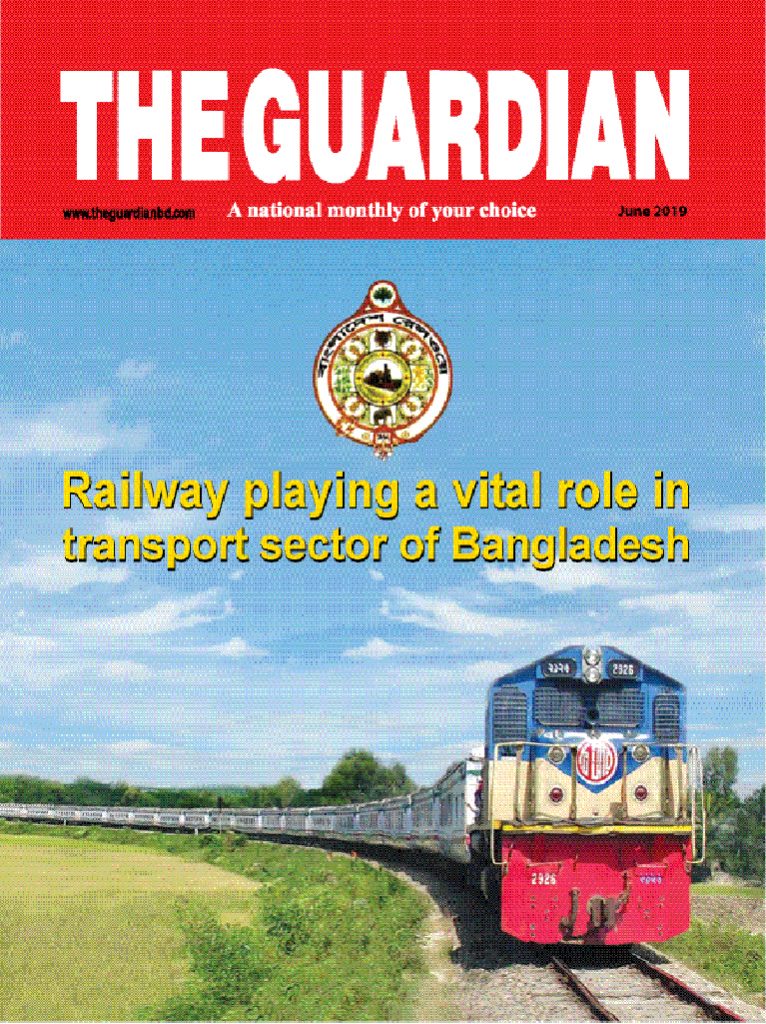
 Railway playing a vital role in transport sector of Bangladesh -Qazi Md. Rafiqul Alam Posted on: Jul 4th, 2019
 FAPAD ensures transparency and accountability of foreign funds in Bangladesh -Zeenat Khan Posted on: Mar 5th, 2019
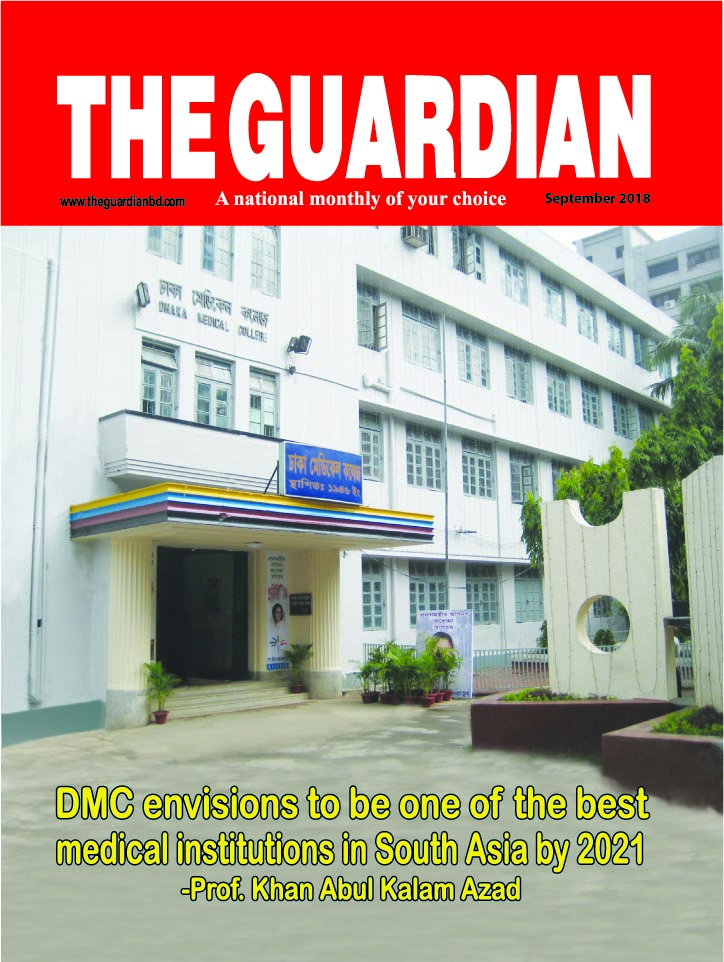
 DMC envisions to be one of the best medical institutions in South Asia by 2021 -Prof. Khan Abul Kalam Azad Posted on: Sep 20th, 2018